Designing agentic workflows for complex energy intelligence
Role
Led Product Design
(0→1 Concept)
Recognition
2026 Red Dot Design Award Winner
Team
Commodity(Energy)
1 Data Scientist
2 Software Engineer
Timeline
Dec 2025 - Apr 2026

Overview
BasinIQ is an energy intelligence agent designed to help energy professionals investigate basin activity and turn fragmented data into actionable insight. Instead of switching between static reports, maps, spreadsheets, and legacy tools, users can ask BasinIQ natural-language questions, explore satellite-verified activity on a map, and generate interactive dashboards in one workspace.

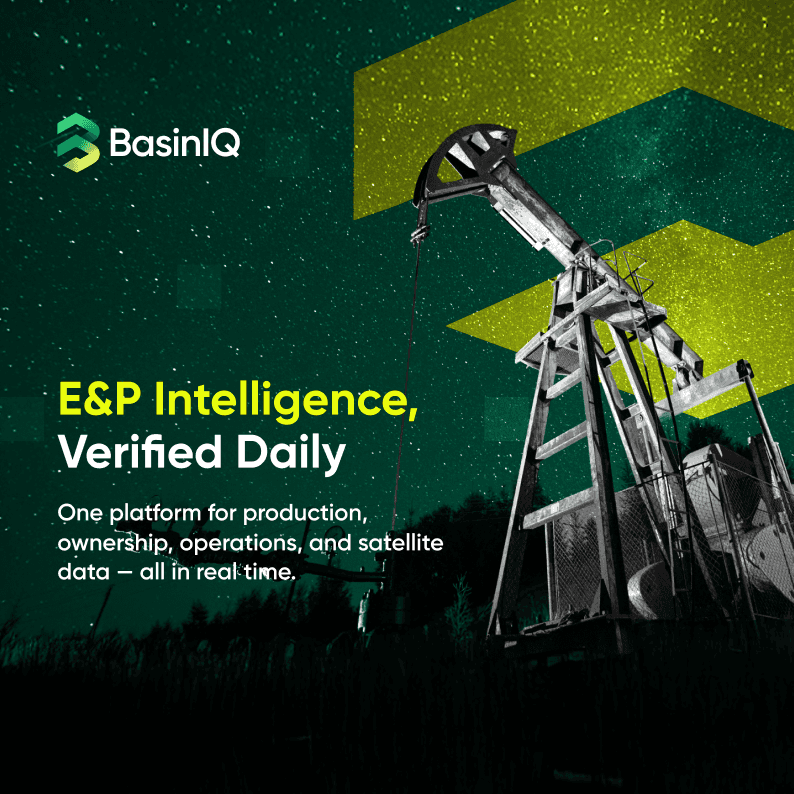
BasinIQ is an AI agent that helps energy professionals move from fragmented basin data to actionable insight to make the E&P analysis smooth
The Problem
The data existed. The path to a confident decision didn’t.
Energy professionals rely on fragmented, high-stakes data to make decisions — where drilling is happening, which operators are active, what production trends suggest, and how basin activity may affect future opportunities. Existing tools gave users access to data, but the workflow remained manual: switching between maps, reports, spreadsheets, and domain knowledge to form a complete picture.
The Goal
Making complex mineral-rights analysis accessible across expertise levels
The opportunity for BasinIQ was to shorten the path from question to insight through AI-assisted exploration, map-based analysis, and generated dashboards. Users already had access to data, but the data was scattered, hard to interpret, and disconnected from decision-making workflows.
Key Use Cases
AI needed to become part of the user’s analytical workspace
The main UX strategy was to avoid treating AI as a separate chatbot. Instead, AI needed to become part of the user’s analytical workspace.

The Solution
A map-first workspace where users can explore, ask, and verify
The opportunity for BasinIQ was to shorten the path from question to insight through AI-assisted exploration, map-based analysis, and generated dashboards. Users already had access to data, but the data was scattered, hard to interpret, and disconnected from decision-making workflows.

Core Experience
Explore basin activity with an AI-assisted map workspace to start mineral rights investigation
User starts from the landing page, opens a workspace, finds relevant basin activity, and begins understanding what the data means by generating the dashboard with AI agent
Generate, compare, save, and share decision-ready analysis to turn exploration into reusable intelligence
Users can ask BasinIQ to compare operators, wells, regions, or production patterns. The system transforms responses into structured outputs such as charts, tables, dashboard widgets, or reports. Instead of disappearing after a single prompt, useful insights can be saved into the session Library and revisited later. This supports a more durable workflow where each investigation becomes a living workspace that users can continue, refine, and share with stakeholders.

Mode Switch
Provide mode switch(dark/light)
User starts from the landing page, opens a workspace, finds relevant basin activity, and begins understanding what the data means by generating the dashboard with AI agent

Design Exploration
Exploring how AI-generated analysis should live in the workspace
Explored different ways users could interact with AI-generated analysis. The key design question was whether BasinIQ should behave like a chat-first assistant where results appear in the conversation, or a structured workspace where chat, datasets, models, and dashboards each have dedicated roles.


Design decision & Take away
Starting with spatial context, not chat
I explored a chat-first flow, but it didn’t give users enough spatial context. For BasinIQ, wells, operators, rigs, fracs, and production patterns only make sense when users can understand where they are happening. So I made the map the default workspace, with AI chat as a supporting layer for follow-up questions, comparisons, and insight generation.
My key take away is AI products don’t always need to start with chat. The best entry point should match the user’s mental model — and for BasinIQ, that mental model was spatial.
Impact
Award-winning design with early commercial traction
BasinIQ received the 2026 Red Dot Design Award and secured a five-figure energy-sector engagement in May 2026 to structure operational data, with 14 additional opportunities representing ~$1.5M in potential deals—including $500K+ in active trials or negotiations.
Next work

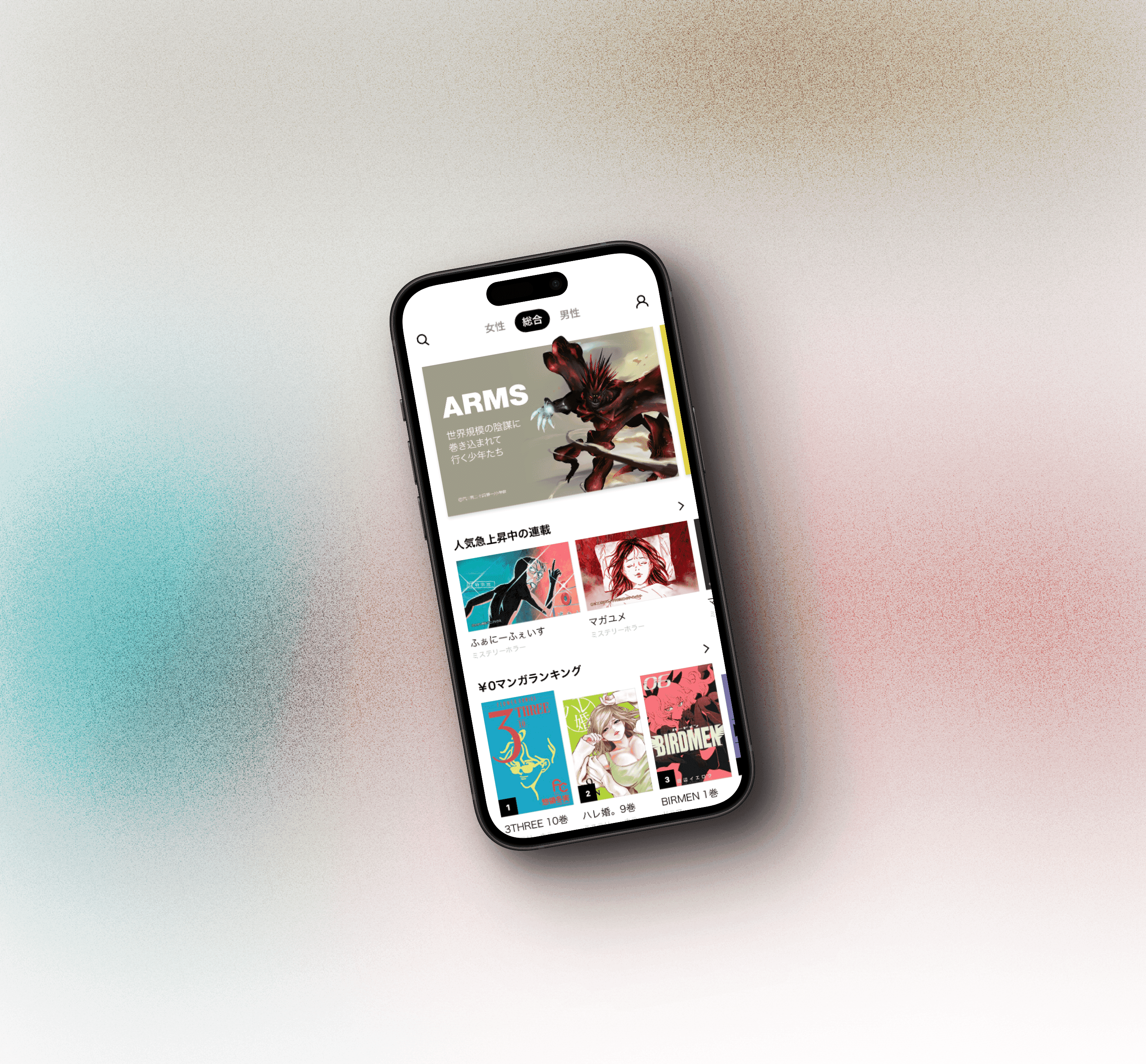
LINE Manga
Revamping app to enhance the digital comics experience

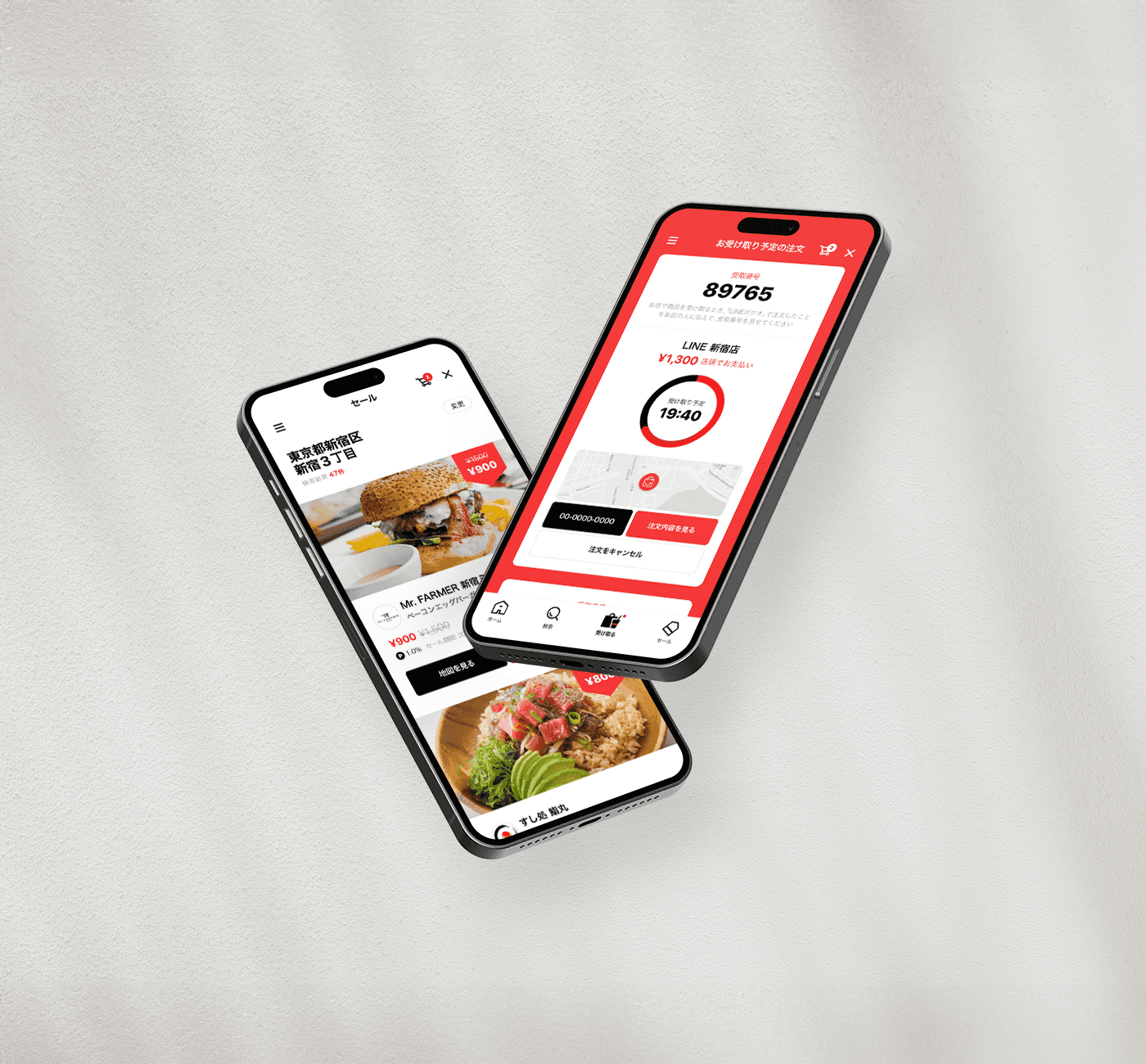
Takeout service, Pockeo
Reducing the bounce rate
Designing agentic workflows for complex energy intelligence
Role
Led Product Design
(0→1 Concept)
Recognition
2026 Red Dot Design Award Winner
Team
Commodity(Energy)
1 Data Scientist
2 Software Engineer
Timeline
Dec 2025 - Apr 2026
Overview
BasinIQ is an energy intelligence agent designed to help energy professionals investigate basin activity and turn fragmented data into actionable insight. Instead of switching between static reports, maps, spreadsheets, and legacy tools, users can ask BasinIQ natural-language questions, explore satellite-verified activity on a map, and generate interactive dashboards in one workspace.
BasinIQ is an AI agent that helps energy professionals move from fragmented basin data to actionable insight to make the E&P analysis smooth
The Problem
The data existed. The path to a confident decision didn’t.
Energy professionals rely on fragmented, high-stakes data to make decisions — where drilling is happening, which operators are active, what production trends suggest, and how basin activity may affect future opportunities. Existing tools gave users access to data, but the workflow remained manual: switching between maps, reports, spreadsheets, and domain knowledge to form a complete picture.
The Goal
Making complex mineral-rights analysis accessible across expertise levels
The opportunity for BasinIQ was to shorten the path from question to insight through AI-assisted exploration, map-based analysis, and generated dashboards. Users already had access to data, but the data was scattered, hard to interpret, and disconnected from decision-making workflows.
Key Use Cases
AI needed to become part of the user’s analytical workspace
The main UX strategy was to avoid treating AI as a separate chatbot. Instead, AI needed to become part of the user’s analytical workspace.
The Solution
A map-first workspace where users can explore, ask, and verify
The opportunity for BasinIQ was to shorten the path from question to insight through AI-assisted exploration, map-based analysis, and generated dashboards. Users already had access to data, but the data was scattered, hard to interpret, and disconnected from decision-making workflows.
Core Experience
Explore basin activity with an AI-assisted map workspace to start mineral rights investigation
User starts from the landing page, opens a workspace, finds relevant basin activity, and begins understanding what the data means by generating the dashboard with AI agent
Generate, compare, save, and share decision-ready analysis to turn exploration into reusable intelligence
Users can ask BasinIQ to compare operators, wells, regions, or production patterns. The system transforms responses into structured outputs such as charts, tables, dashboard widgets, or reports. Instead of disappearing after a single prompt, useful insights can be saved into the session Library and revisited later. This supports a more durable workflow where each investigation becomes a living workspace that users can continue, refine, and share with stakeholders.
Mode Switch
Provide mode switch(dark/light)
User starts from the landing page, opens a workspace, finds relevant basin activity, and begins understanding what the data means by generating the dashboard with AI agent
Design Exploration
Exploring how AI-generated analysis should live in the workspace
Explored different ways users could interact with AI-generated analysis. The key design question was whether BasinIQ should behave like a chat-first assistant where results appear in the conversation, or a structured workspace where chat, datasets, models, and dashboards each have dedicated roles.
Design decision & Take away
Starting with spatial context, not chat
I explored a chat-first flow, but it didn’t give users enough spatial context. For BasinIQ, wells, operators, rigs, fracs, and production patterns only make sense when users can understand where they are happening. So I made the map the default workspace, with AI chat as a supporting layer for follow-up questions, comparisons, and insight generation.
My key take away is AI products don’t always need to start with chat. The best entry point should match the user’s mental model — and for BasinIQ, that mental model was spatial.
Impact
Award-winning design with early commercial traction
BasinIQ received the 2026 Red Dot Design Award and secured a five-figure energy-sector engagement in May 2026 to structure operational data, with 14 additional opportunities representing ~$1.5M in potential deals—including $500K+ in active trials or negotiations.
Next work
LINE Manga
Revamping app to enhance the digital comics experience
Takeout service, Pockeo